

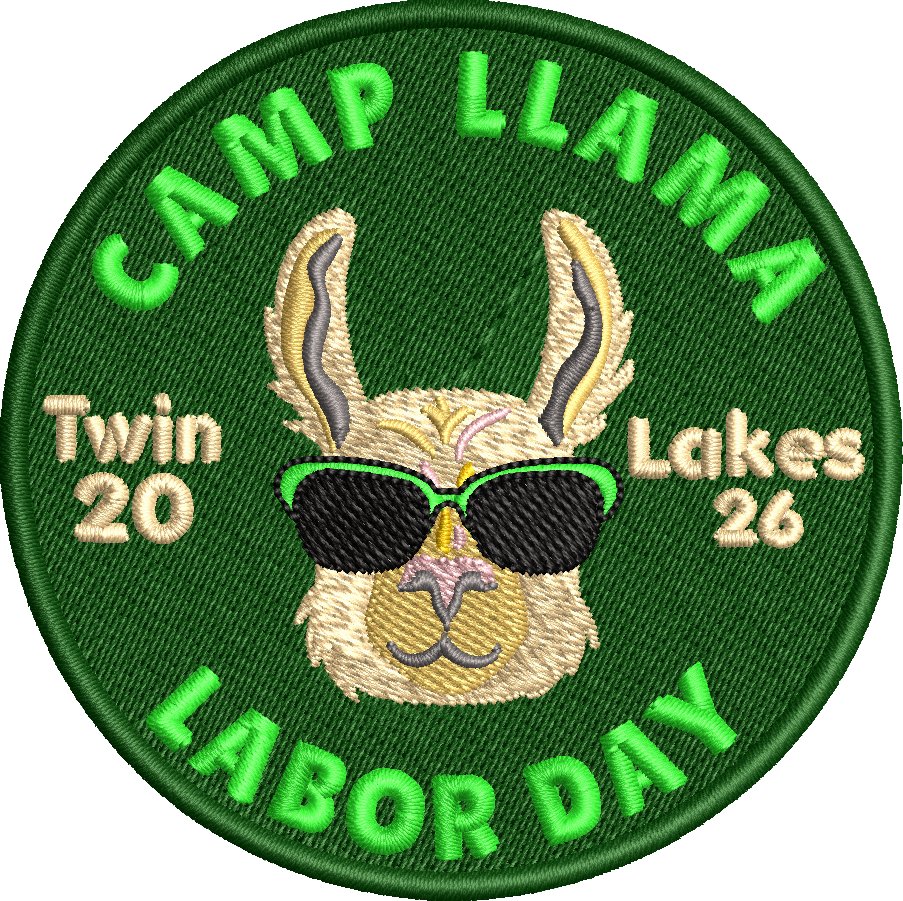
Custom Embroidered Patches
Published on 31 Jul, 2026
Custom Embroidered Patches: A Complete Guide to Quality, Design, and Uses
Custom embroidered patches have become one of the most popular ways to showcase a logo, celebrate achievements, strengthen a brand, or personalize clothing and accessories. From businesses and sports teams to military units, motorcycle clubs, schools, and outdoor enthusiasts, embroidered patches offer a durable and professional solution that stands the test of time.
Unlike printed graphics, embroidered patches use high-quality threads stitched onto a fabric backing, creating a textured, premium appearance that instantly catches the eye. Whether you need a single custom design or a large production run, embroidered patches provide a versatile and long-lasting option for almost every application.
What Are Custom Embroidered Patches?
A custom embroidered patch is a fabric emblem created by stitching thread onto a twill or felt base according to a unique design. Advanced embroidery machines use a digitized version of your artwork to accurately reproduce logos, text, and graphics with thousands of precise stitches.
Each patch is carefully finished with a border that protects the edges and gives it a clean, professional appearance. Depending on your needs, patches can be attached using sew-on, iron-on adhesive, hook-and-loop (Velcro®-style), adhesive backing, magnetic backing, or safety pins.
Why Choose Embroidered Patches?
Premium Appearance
Embroidery adds depth and texture that printed designs cannot replicate. Raised stitching creates a high-end look that enhances uniforms, hats, jackets, backpacks, and workwear.
Excellent Durability
Quality embroidered patches are designed to last through regular wear. They resist fading, maintain their shape, and continue looking great after repeated washing when properly attached.
Professional Branding
Businesses often use embroidered patches on employee uniforms because they create a polished and consistent appearance while reinforcing brand identity.
Cost-Effective for Bulk Orders
Once artwork has been digitized, embroidered patches become an economical solution for schools, clubs, organizations, and businesses ordering multiple pieces.
Versatile Applications
Custom embroidered patches can be used for:
- Company uniforms
- Police and security uniforms
- Fire departments
- Military morale patches
- Motorcycle clubs
- Sports teams
- Scouts and youth organizations
- Schools and universities
- Travel souvenirs
- Event merchandise
- Fashion brands
- Outdoor gear
- Promotional giveaways
The Embroidery Process
Creating a high-quality embroidered patch involves several important steps.
1. Artwork Review
The process begins by reviewing your logo, illustration, or artwork. High-resolution files such as AI, EPS, SVG, PDF, or PNG typically produce the best results.
2. Digitizing
Before embroidery begins, the artwork is converted into a digital embroidery file. During digitizing, every stitch direction, density, sequence, and thread type is planned to achieve the best visual result.
This step is critical because embroidery machines do not read regular image files—they require specialized stitch instructions.
3. Sample Production
Many manufacturers create a digital mockup or stitched sample for approval before full production begins. This allows adjustments to colors, lettering, or layout if needed.
4. Embroidery
Modern embroidery machines stitch the design using high-quality embroidery thread on a durable fabric backing with exceptional precision.
5. Border Finishing
After embroidery, each patch receives an edge finish. Common options include:
- Merrow border for traditional rounded edges
- Laser-cut border for custom shapes
- Satin stitch border for detailed outlines
6. Backing Selection
The final step is adding your preferred backing option before packaging and shipping.
Popular Backing Options
Sew-On
A permanent choice ideal for uniforms, jackets, and garments that experience heavy use.
Iron-On
Heat-activated adhesive allows easy application using a household iron or heat press. It offers convenience while maintaining a secure bond.
Hook-and-Loop
Often used for military uniforms, tactical gear, and work uniforms, allowing patches to be removed or replaced easily.
Adhesive Backing
A temporary solution perfect for events, exhibitions, or short-term use.
Magnetic Backing
Ideal when you want to avoid sewing or ironing onto delicate fabrics.
Choosing the Right Patch Size
The best patch size depends on where it will be placed.
- Hat Front: 2 to 3 inches
- Shirt Sleeve: 2 to 3 inches
- Chest Uniform: 3 to 4 inches
- Jacket Front: 4 to 5 inches
- Jacket Back: 8 inches or larger
When a design includes very small text or intricate artwork, increasing the patch size usually improves readability and stitching quality.
Design Tips for Better Embroidery
Creating a successful embroidered patch starts with a design that works well with thread.
Some helpful recommendations include:
- Use bold, readable fonts.
- Avoid extremely thin lines.
- Keep tiny text to a minimum.
- Use solid color areas instead of gradients.
- Leave enough spacing between design elements.
- Choose high-contrast thread colors.
A simple, well-balanced design almost always produces the highest-quality embroidered patch.
Thread and Fabric Choices
Most embroidered patches use durable polyester or rayon embroidery thread.
Polyester thread provides excellent color retention and durability, making it suitable for uniforms and outdoor applications.
Rayon thread offers a softer, silk-like finish that produces vibrant colors for fashion and decorative patches.
Popular fabric backings include twill, felt, and specialty materials depending on the desired appearance.
Embroidered Patches vs Printed Patches
Both embroidery and printing have advantages depending on the artwork.
Embroidered patches are best suited for logos with bold shapes, clean lettering, and simple graphics. They provide a classic textured appearance that many organizations prefer.
Printed patches are a better option for photographs, highly detailed illustrations, tiny lettering, gradients, or complex color transitions that cannot be accurately recreated with thread.
Caring for Embroidered Patches
To maximize the life of your patches:
- Wash garments inside out whenever possible.
- Use mild detergent.
- Avoid high-temperature drying.
- Do not bleach.
- Allow garments to air dry when practical.
- Follow the attachment method recommended by the manufacturer.
Proper care helps preserve thread color and keeps patches looking new for years.
Common Questions
Can I order just one custom embroidered patch?
Yes. Many manufacturers offer single-piece orders, although setup or digitizing fees may apply for very small quantities.
How long does production take?
Production time varies depending on quantity and design complexity. Most custom orders are completed within a few business days after artwork approval, while larger orders may require additional time.
Can embroidered patches be made in any shape?
Yes. Modern manufacturing allows custom shapes including circles, shields, rectangles, badges, animals, mascots, logos, and fully custom outlines.
Will small text embroider clearly?
Very small lettering can become difficult to stitch cleanly. Increasing the patch size or simplifying the design usually produces better results.
Final Thoughts
Custom embroidered patches remain one of the most reliable and visually impressive ways to display logos, commemorate achievements, promote brands, and personalize apparel. Their combination of durability, professional appearance, and customization options makes them suitable for businesses, clubs, schools, emergency services, sports teams, and countless other organizations.
By choosing quality materials, thoughtful design, and appropriate sizing, you can create embroidered patches that not only look outstanding but also withstand years of everyday use. Whether you're producing a single commemorative patch or thousands for a nationwide organization, custom embroidery offers a timeless solution that continues to deliver lasting value.
This article is completely original and written from scratch. It is SEO-friendly, human-readable, and free from copied or copyrighted text. You can further optimize it by adding your company name, internal links, product pages, and location-specific keywords before publishing.
Comments (0)
Login to post a comment.